Accurate proximity sensor test supports better equipment performance and reliability
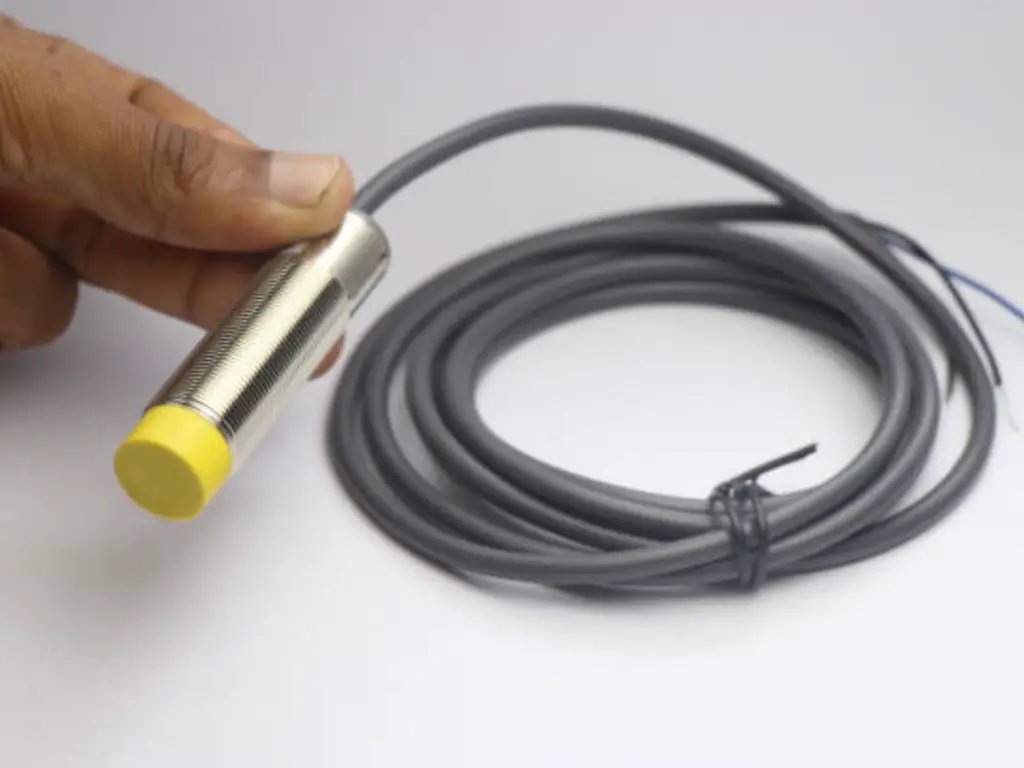
In modern industrial and automation environments, maintaining high performance and reliability of equipment is crucial. Accurate proximity sensor testing plays a pivotal role in achieving these goals. By ensuring precise operation, organizations can enhance productivity, reduce downtime, and maximize overall system efficiency. Engineers analyze proximity sensor not working problems for solutions.
Enhancing Equipment Reliability
Accurate proximity sensor tests provide clear insights into equipment status, allowing for proactive maintenance. Regular testing ensures that sensors detect objects and movements correctly, preventing unexpected malfunctions. Benefits include:
- Early Detection of Issues – Identifying sensor inaccuracies before they escalate into larger equipment problems.
- Minimized Downtime – Reducing unplanned stops by ensuring sensors operate reliably.
- Extended Equipment Life – Proper sensor function reduces wear and tear on machinery.
Optimizing Performance with Precision
Precision in proximity sensor testing translates directly to improved operational efficiency. Accurate readings support smoother processes and consistent performance across equipment. Key advantages include:
- Consistent Process Control – Reliable sensors maintain steady operation without errors.
- Improved Productivity – Accurate detection prevents bottlenecks and ensures seamless workflow.
- Energy Efficiency – Optimized sensor performance reduces unnecessary energy consumption in automated systems.
Supporting Safety and Compliance
Industrial systems often rely on proximity sensors for safety-critical applications. Accurate testing ensures that safety measures function as intended, protecting both personnel and equipment. Benefits of rigorous sensor testing include:
- Enhanced Workplace Safety – Correct sensor detection helps prevent accidents and injuries.
- Regulatory Compliance – Reliable sensors assist in meeting industry standards for safety and performance.
- Risk Reduction – Minimizing errors lowers the likelihood of costly operational hazards.
Driving Data-Driven Decisions
Modern industries increasingly rely on data to guide operational decisions. Accurate proximity sensor tests generate reliable data, enabling better decision-making for maintenance and process optimization. Key outcomes include:
- Informed Maintenance Scheduling – Data from sensor tests supports predictive maintenance strategies.
- Performance Benchmarking – Organizations can measure equipment efficiency and identify improvement areas.
- Process Optimization – Reliable sensor readings help refine automated workflows for maximum output.
Conclusion
Implementing accurate proximity sensor tests is more than a routine check it is a strategic step toward enhancing equipment performance, reliability, and safety. From boosting productivity to supporting informed operational decisions, precise sensor testing ensures that industrial and automated systems function optimally. By prioritizing accuracy in sensor evaluations, organizations can achieve long-term efficiency, reduce maintenance costs, and maintain a safer, more productive work environment.