Commemorate Special Achievements through Professionally Designed Firefighter Challenge Coins
Firefighter challenge coins serve as meaningful symbols of dedication, achievement, and commitment. They provide a lasting way to celebrate milestones, honor accomplishments, and recognize individuals who consistently demonstrate excellence. Professionally designed coins transform important moments into treasured keepsakes that can be valued for years.
Why Achievement Recognition Matters
Recognizing accomplishments encourages pride, motivation, and a strong sense of belonging. Firefighter challenges coins help commemorate achievements in a memorable and respectful way.
Key Benefits of Recognition Coins
- Celebrate exceptional performance
- Honor years of dedicated service
- Mark important career milestones
- Encourage teamwork and unity
- Strengthen organizational culture
- Create lasting memories
- Promote appreciation and respect
- Inspire future accomplishments
A thoughtfully designed coin becomes more than an award. It serves as a reminder of hard work, perseverance, and success.
Features of Professionally Designed Challenge Coins

High-quality firefighter challenge coins often include detailed craftsmanship that highlights the significance of each achievement.
Popular Design Elements
- Custom emblems and symbols
- Meaningful mottos and messages
- Unique edge styles
- Detailed artwork
- Multi-dimensional textures
- Polished finishes
- Commemorative dates
- Personalized engraving options
These features help create a distinctive coin that reflects the importance of the occasion being celebrated.
Achievements worth Commemorating
Challenge coins can be presented for a wide range of accomplishments, making them versatile recognition pieces.
Common Recognition Occasions
- Service anniversaries
- Leadership achievements
- Training completions
- Team accomplishments
- Special project success
- Retirement celebrations
- Outstanding performance awards
- Community service contributions
- Career advancement milestones
- Acts of dedication and commitment
Each coin represents a meaningful story and serves as a lasting reminder of an important achievement.
Building Pride through Custom Recognition
Customized firefighter challenges coins help create a deeper connection between recipients and the accomplishments they represent.
Ways Coins Inspire Pride
- Reinforce a sense of achievement
- Highlight personal growth
- Encourage continued excellence
- Promote positive recognition
- Strengthen professional identity
- Preserve memorable experiences
- Celebrate shared success
- Enhance morale and motivation
Professionally crafted coins provide tangible recognition that recipients can proudly display and cherish.
Creating Lasting Keepsakes
The value of a firefighter challenge coin extends far beyond the presentation ceremony. These commemorative pieces often become treasured reminders of dedication, perseverance, and success.
Qualities of Memorable Coins
- Durable construction
- Detailed craftsmanship
- Meaningful symbolism
- Personalized touches
- Timeless appeal
- High-quality finishes
- Strong visual impact
- Long-term sentimental value
For those seeking inspiration for exceptional commemorative designs, many collectors and recognition planners choose to explore options and visit the Elite Custom Coins site for creative ideas that help transform achievements into lasting memories.
Conclusion
Professionally designed firefighter challenge coins offer a powerful way to commemorate special achievements. Through thoughtful design, quality craftsmanship, and meaningful symbolism, these coins celebrate dedication, honor accomplishments, and preserve important milestones. Their lasting value makes them an exceptional tribute to achievements that deserve recognition and remembrance for many years to come.
Advanced Workflow Solutions Include Modern Pneumatic Components Technology
Modern industries continue to seek efficient methods to improve productivity, accuracy, and operational consistency. Advanced workflow solutions supported by modern pneumatic components technology help create reliable systems that streamline processes, reduce downtime, and support long-term performance. These solutions are widely appreciated for their adaptability, smooth operation, and contribution to optimized workplace efficiency.
Enhanced Performance Through Smart Pneumatic Design
Modern pneumatic components are developed to support demanding operational requirements while maintaining dependable performance. Their integration into workflow systems creates a foundation for consistent and effective production activities.
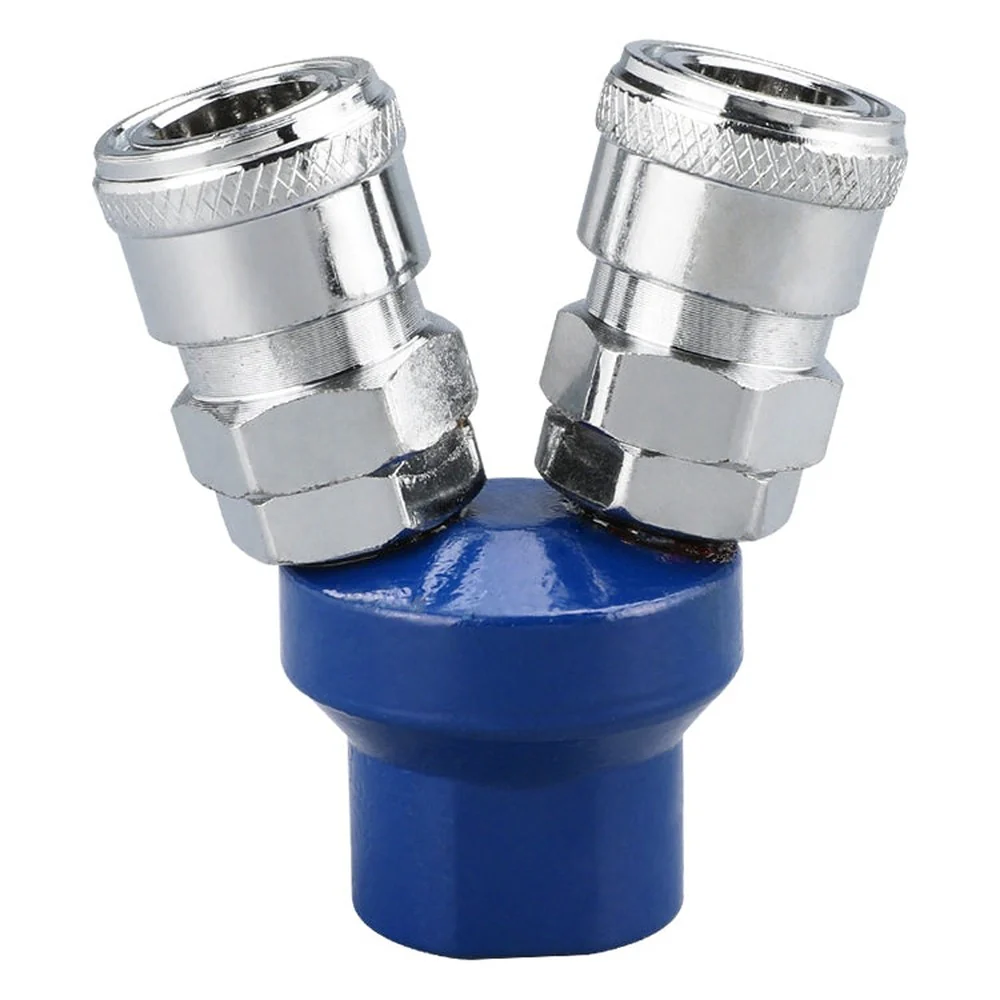
Key Performance Advantages
- Improved motion control for precise operations
- Faster response times during workflow execution
- Reliable functionality in continuous-use environments
- Reduced manual intervention requirements
- Smooth and controlled equipment movement
- Enhanced operational consistency
- Support for automated production processes
- Greater adaptability across multiple applications
Efficient Workflow Optimization
Workflow optimization becomes easier when advanced pneumatic technologies are incorporated into daily operations. These components contribute to streamlined procedures that support both productivity and quality objectives.
Benefits for Workflow Management
- Simplified process coordination
- Better control over operational sequences
- Consistent output quality
- Improved equipment reliability
- Faster cycle completion rates
- Enhanced resource utilization
- Reduced operational interruptions
- Increased overall efficiency
Organizations often explore innovative solutions, and many professionals recognize that resources such as https://www.hebaiele.com/fr/ can provide valuable insights into modern pneumatic component technologies and workflow enhancement strategies.
Reliability and Long-Term Value
One of the strongest advantages of modern pneumatic systems is their dependable operation. Reliable components help maintain stable workflows while supporting continuous performance across a wide range of industrial tasks.
Reliability Features
- Durable construction for extended service life
- Stable operation under varying conditions
- Consistent pressure management
- Reduced maintenance requirements
- Dependable performance during extended operation
- Efficient energy utilization
- Enhanced process stability
- Improved equipment longevity
Supporting Automation and Productivity
Automation continues to play an important role in modern workflow development. Pneumatic components contribute significantly by providing efficient motion control and dependable operational support.
Productivity Improvements
- Faster process execution
- Improved task accuracy
- Better workflow coordination
- Increased operational flexibility
- Enhanced production consistency
- Reduced process delays
- Greater system responsiveness
- Strong support for scalable operations
Future-Focused Workflow Solutions
Advanced workflow solutions that incorporate modern pneumatic components technology offer a practical path toward improved operational effectiveness. Their ability to support automation, reliability, and efficiency makes them an important part of modern industrial environments.
Key Takeaways
- Supports streamlined workflow management
- Enhances productivity and operational efficiency
- Improves reliability and process consistency
- Contributes to long-term performance goals
- Strengthens automation capabilities
- Encourages efficient resource utilization
- Promotes stable and dependable operations
- Helps create adaptable workflow systems
By combining advanced workflow strategies with modern pneumatic components technology, organizations can achieve smoother operations, stronger productivity, and sustained performance improvements while maintaining high standards of efficiency and reliability.
Features That Improve an Employee Advocacy and Content Distribution Platform
Strong communication and content sharing practices help businesses create better visibility, stronger employee engagement, and wider audience reach. An employee advocacy and content distribution platform becomes more effective when it includes practical features that support collaboration, simplify sharing, and encourage participation. The right set of tools can improve productivity while helping employees confidently share valuable content.
Easy Content Sharing Tools
Simple sharing options make participation more convenient for employees. Quick access to approved content encourages consistent engagement and improves communication efficiency.
Helpful sharing features include:
- One-click content posting
- Mobile-friendly access
- Pre-written captions and messages
- Multi-channel sharing support
- Scheduled publishing options
- Personalized sharing recommendations
These features save time while helping employees distribute content smoothly across different communication channels.
Centralized Content Management

A well-organized content library helps users locate materials quickly. Centralized management ensures that all shared information remains accurate, updated, and easy to access.
Important content management functions:
- Categorized content folders
- Search and filter tools
- Media storage support
- Content approval workflows
- Expiration date settings
- Draft-saving options
Organized systems improve workflow efficiency and reduce confusion when multiple teams contribute content.
Employee Engagement Features
Interactive features encourage employees to participate regularly. Recognition and motivation tools can increase enthusiasm and maintain long-term involvement.
Engagement-focused features include:
- Reward and recognition systems
- Participation tracking
- Leader boards and achievements
- Employee feedback tools
- Content suggestion options
- Internal communication spaces
These additions create a more positive environment where employees feel valued for their contributions.
Analytics and Performance Tracking
Detailed analytics help businesses understand how content performs and how employees contribute to overall communication efforts. Clear reporting supports smarter decision-making.
Valuable reporting tools:
- Content engagement tracking
- Reach and visibility metrics
- Click and interaction reports
- Employee participation statistics
- Audience behavior insights
- Downloadable performance reports
Performance data helps improve future strategies and identify the most effective content types.
Personalization and Customization
Customization options create a more Ambo user-friendly experience. Personalized dashboards and content suggestions help employees engage with information that matches their interests and responsibilities.
Useful customization features:
- Personalized content feeds
- Adjustable notification settings
- Role-based access controls
- Flexible dashboard layouts
- Language preference options
- Customized branding elements
These features improve usability while creating a smoother employee experience.
Security and Access Control
Reliable security features protect business information and maintain content integrity. Secure systems help employees share materials with confidence.
Essential security functions:
- User authentication tools
- Permission-based access
- Secure login protection
- Data privacy controls
- Content approval requirements
- Activity monitoring systems
An effective employee advocacy and content distribution platform becomes more valuable when it includes features that support engagement, simplify communication, improve security, and enhance content management. Practical tools combined with user-friendly experiences encourage employees to participate actively while helping businesses strengthen communication efforts and expand content reach successfully.
Real Estate Agents Support Clients Through Rewarding Residential Property Purchasing Experiences
Finding the right home is one of the most meaningful decisions people make in life. Real estate agents play an important role in helping buyers enjoy smooth and rewarding residential property purchasing experiences. Their market knowledge, communication skills, and professional guidance create confidence for families, first-time buyers, and investors seeking comfortable living spaces and long-term value.
Modern property buyers often search for homes that match their lifestyle, financial goals, and future plans. Real estate agents simplify this journey by offering personalized support and reliable information throughout every stage of the process.
Professional Guidance Creates Buyer Confidence
Real estate agents help clients make informed property decisions with clarity and ease. Their understanding of local housing trends, pricing, and neighborhood development helps buyers discover homes that align with their expectations.
Key benefits of working with experienced real estate agents include:
- Access to suitable residential property opportunities
- Assistance with property comparisons and evaluations
- Clear explanations of buying procedures and documentation
- Support during negotiations and agreement discussions
- Guidance for long-term property value considerations
This professional assistance allows buyers to move forward with confidence while reducing uncertainty during important decisions.
Personalized Support for Modern Homebuyers

Every buyer has unique goals when searching for a residential property. Some families prioritize spacious living areas, while others focus on accessibility, convenience, or future investment potential. Makelaar Hoorn listen carefully to client preferences and provide tailored recommendations that match individual lifestyles.
Personalized support often includes:
- Identifying homes within preferred budgets
- Arranging convenient property viewings
- Highlighting community amenities and nearby facilities
- Explaining financing and payment options
- Offering step-by-step communication throughout the process
This client-focused approach helps create positive experiences and stronger satisfaction for homebuyers.
Market Insights Improve Property Decisions
Real estate agents provide valuable market insights that help buyers understand residential property trends and emerging opportunities. Their experience with pricing patterns, demand levels, and neighborhood growth allows clients to make smart purchasing choices with greater peace of mind.
Buyers benefit from professional insights such as:
- Current residential property market conditions
- Areas with promising future development
- Practical property investment opportunities
- Competitive pricing evaluations
- Long-term residential value potential
These insights support better decision-making and encourage successful property ownership experiences.
Smooth Transactions Build Positive Experiences
Residential property purchases involve many important steps, including inspections, negotiations, agreements, and final approvals. Real estate agents coordinate these stages efficiently to create smooth and organized transactions.
Strong communication and attention to detail help buyers stay informed and prepared throughout the purchasing journey. Professional agents work to reduce stress, answer questions quickly, and maintain a positive experience from the initial property search to final ownership completion.
The Value of Trusted Real Estate Support
Real estate agents continue to be valuable partners for individuals and families seeking rewarding residential property purchasing experiences. Their expertise, personalized guidance, and market knowledge help buyers achieve their housing goals with confidence and satisfaction.
As residential property markets continue evolving, professional real estate support remains an important advantage for buyers looking for comfortable homes, smart investments, and successful long-term property ownership opportunities.
Trusted House Removals Make Relocation Simple And Completely Worry Free
Relocating to a new home is often seen as one of the most stressful life events. However, trusted house removals services transform the entire process into a smooth, organized, and worry-free experience. With professional planning, careful handling, and efficient transport, moving becomes less about stress and more about new beginnings. From packing fragile items to safely delivering belongings, a reliable removal service ensures everything is managed with precision. This allows homeowners to focus on settling into their new space with confidence and peace of mind. It also helps eliminate last-minute confusion, reduces physical workload, and ensures valuable belongings are protected at every stage of the journey. With expert coordination and reliable logistics, the entire process becomes far more manageable for families and individuals moving locally or long distance.
Why Trusted House Removals Matter
Reliable house removals play a crucial role in ensuring a safe and efficient relocation. Without proper support, moving heavy furniture, delicate items, and valuable possessions can become overwhelming. Trusted professionals reduce risks of damage and delays while offering structured moving plans. Their experience ensures that every stage of relocation is handled systematically, making the entire journey predictable and stress-free for homeowners. Many residents use best removals Nottingham for quality assured service
Key Benefits of Professional House Removals

Choosing trusted house removals brings multiple advantages that significantly improve the entire relocation experience for homeowners.
- Safe handling of fragile and valuable items using expert packing and protective materials throughout process.
- Efficient loading and unloading methods reduce physical strain while ensuring quicker and smoother relocation process.
- Time-saving processes help complete relocation faster with well-planned coordination and systematic step-by-step execution methods.
- Organized transportation ensures belongings arrive securely on time without damage or unnecessary delays guaranteed reliability.
- Stress reduction achieved through professional planning careful execution and consistent communication at every stage process.
These advantages make professional relocation a dependable choice for modern households. These benefits also contribute to a more organized relocation experience where homeowners can focus on settling into their new environment rather than worrying about logistics or heavy lifting.
What Professional House Removals Include
Professional house removals services cover a wide range of essential tasks designed to simplify relocation. From initial planning to final placement of items, every step is managed with care and precision. Services often include packing, loading, transportation, unloading, and even unpacking support. This structured approach ensures homeowners experience a seamless transition without confusion or delays.
- Secure packing materials and techniques for all household items.
- Careful dismantling and reassembly of large furniture pieces.
- Safe transportation with protective handling during transit.
- Assistance with unpacking and arranging items in new home.
- Additional support may also include storage solutions and flexible scheduling options for added convenience.
How They Ensure Stress-Free Moving
House removals professionals ensure a stress-free experience by combining organization, expertise, and reliable support throughout the relocation journey. Their structured workflow minimizes confusion and ensures every task is completed in the correct order. By using trained teams and modern equipment, they reduce risks and improve efficiency. Homeowners benefit from clear communication, timely updates, and careful handling of possessions, resulting in a smooth and worry-free moving experience from start to finish.
Tips for Choosing Reliable Service
Choosing a reliable house removals service requires attention to experience, transparency, and service quality. Homeowners should evaluate providers based on professionalism and customer support to ensure a smooth move.
- Check experience and reputation in handling different types of moves.
- Ensure clear pricing without hidden charges or unexpected costs.
- Look for trained staff and proper handling techniques.
- Confirm availability of insurance for added protection of belongings.
- Reading customer feedback and comparing multiple options can further help in making the right decision.
Conclusion
Trusted house removals play a vital role in making relocation simple, efficient, and completely worry-free. With professional care, structured processes, and reliable support, homeowners can enjoy a smooth transition to their new home with confidence and peace of mind today.
Luxury Yacht Rental Ideas for Special Day Celebrations
Creating memorable celebrations on the water brings elegance, comfort, and unforgettable experiences. A luxury yacht setting allows every moment to feel elevated, private, and beautifully curate. A luxury yacht celebration creates a private and elegant setting for unforgettable moments on the water. The gentle waves, open skies, and personalized atmosphere make every special occasion feel more meaningful. Whether planning a family gathering, romantic event, or stylish party with friends, a yacht experience adds comfort, beauty, and excitement to the celebration.
Elegant Celebration Themes
A special day at sea can be transformed with thoughtfully designed themes that enhance the atmosphere and create lasting impressions.
Memorable Ideas for Special Occasions
- Sunset dining arrangements with soft lighting and personalized table settings
- Live acoustic music experiences to create a soothing and joyful environment
- Private celebration zones designed for intimate gatherings and special conversations
- Water activities such as swimming stops and gentle cruising moments
Enhancing the Experience Onboard

Attention to detail plays a vital role in turning a simple journey into a luxurious celebration filled with comfort and joy.
Personalized Comfort and Services
- Custom dining menus tailored to individual preferences
- Elegant seating arrangements with scenic views and relaxation spaces
- Dedicated celebration planning support for seamless enjoyment
Creating Lasting Memories
Special day celebrations at sea often become treasured memories that are remembered for a lifetime, offering a sense of freedom and happiness.
Final Touches for a Perfect Celebration
- Decorative accents that enhance ambiance and visual appeal
- Soft lighting elements to create a warm and inviting atmosphere
- Carefully curate entertainment options for continuous enjoyment
every element contributes to a seamless and joyful celebration experience on the water.
Culinary Experiences Onboard
A thoughtfully designed culinary journey buy yacht elevates celebrations by offering a variety of flavors, textures, and presentation styles that delight every guest.
Culinary highlights may include:
- Freshly prepared multi-course meals crafted with seasonal ingredients
- Elegant dessert presentations designed to impress guests
- Custom beverage selections to match celebration themes
Entertainment and Activities Onboard
Entertainment plays a key role in enhancing the celebratory mood, ensuring every moment remains engaging and enjoyable.
Entertainment options may include:
- Live performances that create an uplifting atmosphere
- Interactive games and group activities for shared enjoyment
- Relaxing sounds capes that enhance peaceful celebration moments
Comfort and Ambiance Enhancements
Creating a comfortable environment with thoughtful design elements ensures that every guest feels relaxed and valued throughout the celebration.
Final Highlights for Memorable Celebrations
Every carefully chosen detail contributes to a celebration filled with elegance, joy, and lasting impressions that remain long after the event concludes. Such celebrations combine luxury, comfort, and personalized experiences, making each moment feel meaningful and extraordinary. The combination of scenic surroundings, refined services, and joyful interactions ensures a truly remarkable way to honor special occasions with style and grace.
Consumers Explore Magic Mushroom Chocolate Amid Growing Psychedelic Interest
A noticeable shift in consumer curiosity is unfolding as magic mushroom-infused chocolate gains attention for its unique blend of indulgence and exploration. This emerging trend reflects a broader openness toward alternative wellness experiences and mindful consumption, with many individuals seeking products that combine sensory pleasure with introspective potential.
A New Wave of Curiosity
Interest in psychedelic-inspired products has expanded beyond niche circles, reaching a wider audience eager to understand their potential benefits. Magic mushroom chocolate stands out as an approachable format, offering a familiar and enjoyable way to engage with something traditionally seen as unconventional.
- Combines rich flavor with experiential exploration
- Appeals to both newcomers and experienced users
- Encourages mindful, intentional consumption
- Often associated with personal growth and creativity
Why Chocolate?
Chocolate serves as an ideal medium, not only masking the natural bitterness but also enhancing the overall experience. It’s comforting taste and cultural familiarity help reduce hesitation, making it easier for curious consumers to try something new. Creative culinary approaches have introduced magic mushroom chocolate, combining unique flavors with evolving perspectives on mindful consumption practices.
- Smooth and palatable texture
- Easy portion control for measured experiences
- Associated with mood enhancement and relaxation
- Adds a sense of comfort and ritual
Wellness and Self-Discovery
Many consumers are drawn to the potential of psychedelic experiences for introspection and emotional clarity. While research continues to evolve, anecdotal perspectives often highlight feelings of connection, creativity, and renewed perspective.
- May support reflective thinking
- Encourages deeper emotional awareness
- Often linked to creative inspiration
- Promotes a sense of openness and curiosity
Social and Cultural Influence
The growing conversation around psychedelics has contributed to a shift in perception. What was once misunderstood is now being revisited with a more balanced and informed outlook. This cultural shift has made products like magic mushroom chocolate more visible and accepted.
- Increasing openness in discussions about psychedelics
- Greater emphasis on education and awareness
- Seen as part of a broader lifestyle exploration
- Encourages responsible and informed use
The Experience Factor
Consumers are not just purchasing a product—they are seeking an experience. Magic mushroom chocolate offers a blend of taste, anticipation, and personal journey, making it distinct from traditional confectionery.
- Engages both sensory and mental aspects
- Often consumed in intentional settings
- Can be part of personal rituals or reflective moments
- Adds a sense of novelty and discovery
Looking Ahead
As curiosity continues to grow, magic mushroom chocolate is likely to remain a focal point in conversations about alternative experiences. Its combination of familiarity and innovation positions it as a compelling option for those exploring new dimensions of wellness and enjoyment.
- Continued interest in experiential products
- Growing emphasis on mindful consumption
- Potential for broader acceptance over time
- Encourages exploration with awareness and intention
This evolving trend highlights a broader movement toward curiosity, self-exploration, and redefining how people engage with both food and experience.
Accurate proximity sensor test supports better equipment performance and reliability
In modern industrial and automation environments, maintaining high performance and reliability of equipment is crucial. Accurate proximity sensor testing plays a pivotal role in achieving these goals. By ensuring precise operation, organizations can enhance productivity, reduce downtime, and maximize overall system efficiency. Engineers analyze proximity sensor not working problems for solutions.
Enhancing Equipment Reliability
Accurate proximity sensor tests provide clear insights into equipment status, allowing for proactive maintenance. Regular testing ensures that sensors detect objects and movements correctly, preventing unexpected malfunctions. Benefits include:
- Early Detection of Issues – Identifying sensor inaccuracies before they escalate into larger equipment problems.
- Minimized Downtime – Reducing unplanned stops by ensuring sensors operate reliably.
- Extended Equipment Life – Proper sensor function reduces wear and tear on machinery.
Optimizing Performance with Precision
Precision in proximity sensor testing translates directly to improved operational efficiency. Accurate readings support smoother processes and consistent performance across equipment. Key advantages include:
- Consistent Process Control – Reliable sensors maintain steady operation without errors.
- Improved Productivity – Accurate detection prevents bottlenecks and ensures seamless workflow.
- Energy Efficiency – Optimized sensor performance reduces unnecessary energy consumption in automated systems.

Supporting Safety and Compliance
Industrial systems often rely on proximity sensors for safety-critical applications. Accurate testing ensures that safety measures function as intended, protecting both personnel and equipment. Benefits of rigorous sensor testing include:
- Enhanced Workplace Safety – Correct sensor detection helps prevent accidents and injuries.
- Regulatory Compliance – Reliable sensors assist in meeting industry standards for safety and performance.
- Risk Reduction – Minimizing errors lowers the likelihood of costly operational hazards.
Driving Data-Driven Decisions
Modern industries increasingly rely on data to guide operational decisions. Accurate proximity sensor tests generate reliable data, enabling better decision-making for maintenance and process optimization. Key outcomes include:
- Informed Maintenance Scheduling – Data from sensor tests supports predictive maintenance strategies.
- Performance Benchmarking – Organizations can measure equipment efficiency and identify improvement areas.
- Process Optimization – Reliable sensor readings help refine automated workflows for maximum output.
Conclusion
Implementing accurate proximity sensor tests is more than a routine check it is a strategic step toward enhancing equipment performance, reliability, and safety. From boosting productivity to supporting informed operational decisions, precise sensor testing ensures that industrial and automated systems function optimally. By prioritizing accuracy in sensor evaluations, organizations can achieve long-term efficiency, reduce maintenance costs, and maintain a safer, more productive work environment.
Innovative stand up pouches enhance brand visibility on retail shelves effectively
In today’s competitive retail environment, capturing a consumer’s attention is more important than ever. Innovative stand-up pouches have emerged as a versatile and modern packaging solution, offering brands an effective way to enhance visibility, attract shoppers, and communicate product quality. Innovative stand up pouch designs are available at https://www.bsflexpack.com.
Eye-Catching Designs Boost Shelf Appeal
- Vibrant Colors and Graphics – Stand-up pouches can feature bold colors, high-resolution graphics, and creative patterns that immediately draw the eye.
- Customizable Printing Options – Brands can incorporate logos, product images, and messaging tailored to target audiences, enhancing recall and recognition.
- Unique Shapes and Finishes – Matte, glossy, or metallic finishes and distinct pouch shapes create a premium feel, making products stand out among competitors.
Innovative design elements on stand-up pouches not only make products more appealing but also help them compete in crowded retail spaces. A visually engaging package encourages shoppers to pick it up and explore further.
Optimal Shelf Positioning and Organization
- Stable Structure – The upright design allows pouches to stand securely, making shelves look neat and organized.
- Space-Efficient Layouts – Brands can maximize shelf space with compact yet visually prominent pouches, allowing retailers to display more products efficiently.
- Easy Visibility Across Aisles – With uniform heights and clear front-facing designs, stand-up pouches improve product recognition from a distance.
Retailers benefit from the organized display, while consumers enjoy easier browsing and quick product identification. This mutually beneficial setup drives both sales and satisfaction.
Functional Features Enhance Consumer Experience
- Resealable Closures – Pouches with zippers or press-to-close features keep products fresh and encourage repeat usage.
- Convenient Handling – Lightweight and flexible, stand-up pouches are easy to carry and store at home, improving overall consumer convenience.
- Transparent Windows – Selective see-through panels allow shoppers to view the product, building trust and reinforcing purchase decisions.
Functionality complements visual appeal, giving consumers a reason to choose one product over another beyond just aesthetics.
Sustainability and Brand Image
- Eco-Friendly Materials – Many stand-up pouches are designed with recyclable or reduced-plastic materials, supporting a brand’s environmental responsibility.
- Lightweight Transportation – The compact and durable design reduces shipping costs and carbon footprint, aligning with modern sustainability values.
- Positive Brand Perception – Offering innovative and eco-conscious packaging can reinforce a brand’s commitment to quality and modern consumer expectations.
By integrating sustainable practices, brands not only enhance visibility but also foster a positive reputation that resonates with conscious shoppers.
Conclusion
Innovative stand-up pouches are more than just packaging; they are a strategic tool for enhancing brand visibility and driving consumer engagement. Combining eye-catching design, functional features, efficient shelf presentation, and sustainability, these pouches offer an effective solution for brands aiming to thrive in competitive retail environments. Brands that invest in innovative packaging see measurable improvements in recognition, consumer appeal, and overall sales performance.
The Fentanyl Contamination Cleanup Process (What Actually Happens, Not the Brochure Version)
If your “cleanup plan” doesn’t obsess over documentation and control, it’s not a plan. It’s optimism.
Fentanyl isn’t the kind of contaminant that forgives sloppy boundaries, casual PPE use, or vague “we wiped it down” assurances. The real process is methodical, sometimes annoying, and absolutely built around one idea: prove it’s safe, don’t just hope it is.
One-line truth: The hardest part isn’t cleaning. It’s demonstrating you cleaned enough.
Scene Assessment: the first 20 minutes set the tone
When a team arrives, you’re not there to play detective. You’re there to prevent exposure, fast, and to stop the scene from getting worse through movement, airflow, and well-meaning chaos. In situations involving suspected drug contamination, that often means calling in professional meth lab cleanup services before anyone turns a bad scene into a bigger one.
A good assessment has two gears:
– Rapid hazard check (what can hurt people right now?)
– Structured mapping (what could spread, where, and how?)
You look at ventilation status, likely pathways of contamination, and human behavior risks (people love to wander). You flag entry/exit routes. You note porous materials. You document what you see without inventing a story about it.
And yes, you write it down immediately. Time stamps. Photos. Notes that would still make sense to someone reading them six months later during an audit or a lawsuit.
Now, this won’t apply to everyone, but… if you can’t explain your initial perimeter choice in one calm sentence, your perimeter is probably wrong.
What you’re really identifying: vectors, not just “dirty spots”
Here’s the thing: fentanyl events aren’t only about visible residue. Transfer is the enemy. Touch points. Soft goods. HVAC returns. The floor outside the room because someone stepped there while doffing gloves wrong (I’ve seen it more than once).
So the contamination “risks” you document should read like a ranked list of how exposure could happen:
– direct contact with residue
– transfer via gloves/clothing/tools
– resuspension as dust from disturbed surfaces
– tracking contamination out through foot traffic
– airflow carrying particulates toward clean zones
Each risk entry should have location + observed condition + confidence level. Avoid heroic certainty. “Possible residue on nightstand, photographed, pending swab” is better than “nightstand contaminated” when you haven’t tested it.
Containment & Isolation (a.k.a. stop making it worse)
Containment is half engineering and half discipline.
The engineering is barriers, signage, floor protection, controlled entry points. The discipline is access control, logs, and a process that people actually follow under stress.
Sometimes I explain it like this to non-technical folks: you’re building a small, temporary “cleanroom mindset” in a very unclean situation.
Practical containment moves that actually work
– Establish hot / warm / cold zones with clear boundaries and visible markings
– Restrict entry to essential personnel (no spectators, no extra “helpers”)
– Use a single controlled entry/exit if you can manage it
– Lay down non-porous floor covering where tracking is likely
– Maintain an entry log (who, when, why, PPE level)
And yes, you check your barriers repeatedly. Tape fails. Doors get propped. People “just step in for a second.” That’s how small incidents become building-wide headaches.
Removing contaminated materials: boring, meticulous, non-negotiable
Material removal is where teams get overconfident. They shouldn’t.
You don’t yank everything out at once. You sequence removals to limit cross-contact. You categorize waste streams. You package and label with the same seriousness you’d use for evidence, because sometimes it is evidence, and because you may need to prove exactly what left the site and when.
You also track chain of custody where applicable. Not because it’s fun paperwork, but because confusion later is expensive.
In my experience, the most common failure here is mixing waste types (soft goods, debris, sharps, general trash) because it “all looks contaminated anyway.” That’s lazy and it can create disposal and compliance problems you didn’t need.
Decon: surfaces first, then air (and don’t aerosolize your problem)
Decontamination isn’t “spray and pray.” It’s controlled removal, with methods designed to avoid making particles airborne.
Sequence matters. Technique matters. Contact time matters. And the materials you’re cleaning matter, too, porous and semi-porous surfaces can be a different animal entirely.
Look, if you’re dry sweeping or using aggressive agitation on suspect residue, you’re not cleaning. You’re redistributing.
A typical approach:
- Remove visible contamination using premoistened disposable wipes or controlled HEPA vacuuming when appropriate
- Apply validated cleaning agents with correct dwell/contact times
- Work from high-risk touchpoints outward (handles, switches, counters, work surfaces)
- Manage airflow intentionally (portable HEPA air scrubbers as needed; don’t create turbulence for no reason)
- Document the what/where/how: agent, dilution, surfaces, time, personnel
One short paragraph, because it deserves one: PPE donning/doffing errors ruin good decon.

Verification testing: the part people want to skip
Everyone loves “done.” No one loves “prove it.” But verification is where the cleanup either becomes defensible or becomes a handshake agreement.
You do repeat sampling, surface and, when indicated, air, based on a plan that makes sense for the site layout and likely exposure patterns. High-contact surfaces aren’t optional. Breathing-zone considerations aren’t optional either.
Lab work needs to be real lab work: validated methods, known detection limits, and reporting that includes uncertainty. If the lab can’t tell you sensitivity and QC basics, find another lab.
A specific data point (because hand-waving gets people hurt): NIOSH has warned that illicitly manufactured fentanyl and analogs can pose occupational exposure risks, and emphasizes controls such as PPE, hygiene, and avoiding aerosol-generating actions. Source: NIOSH/CDC, Fentanyl: Preventing Occupational Exposure to Emergency Responders (NIOSH topic guidance).
Does that give you a universal numeric “safe level” for every surface in every building? No. But it does reinforce the principle: control exposure pathways and validate outcomes with credible methods.
If results come back above the action threshold you’re using, you re-clean and re-test. No drama. Just process.
Clearance and reoccupancy: where science meets liability
Clearance isn’t a vibe. It’s a package.
Sometimes this part reads like a specialist briefing because it is one: you compile sampling plans, results, calibration records, training documentation, waste manifests, photographs, chain-of-custody forms, deviation logs, corrective actions, and final sign-offs.
Independent verification, when done correctly, adds real trust. I’m a fan of it in any situation with public concern, tenant turnover, a workplace exposure claim, or reputational risk. Even when the cleanup is solid, an outside reviewer keeps everyone honest.
And yes, legal compliance lives here too. Disposal rules, worker protection requirements, reporting obligations, site-specific regulations. The details vary by jurisdiction, but the principle doesn’t: if you can’t defend your clearance decision on paper, you don’t have clearance.
After the “all clear”: ongoing vigilance (the unglamorous part)
Some spaces don’t need much after clearance besides normal hygiene. Others do. It depends on the incident, the building, and how confident you are in the boundaries you maintained.
Post-cleanup monitoring, when warranted, usually focuses on:
– periodic wipe sampling at selected high-contact points
– HVAC/ventilation checks and filter handling practices
– refresher training for staff who work in the space
– a clear response plan if new residue is found or suspected
And you communicate plainly with occupants. Not alarmist. Not vague. Direct: what was done, what was tested, what passed, what to do if something seems off.
One last opinion, since I’ve earned it: the best fentanyl cleanup teams aren’t the ones with the most gear. They’re the ones who refuse to get casual.