Advanced Workflow Solutions Include Modern Pneumatic Components Technology
Modern industries continue to seek efficient methods to improve productivity, accuracy, and operational consistency. Advanced workflow solutions supported by modern pneumatic components technology help create reliable systems that streamline processes, reduce downtime, and support long-term performance. These solutions are widely appreciated for their adaptability, smooth operation, and contribution to optimized workplace efficiency.
Enhanced Performance Through Smart Pneumatic Design
Modern pneumatic components are developed to support demanding operational requirements while maintaining dependable performance. Their integration into workflow systems creates a foundation for consistent and effective production activities.
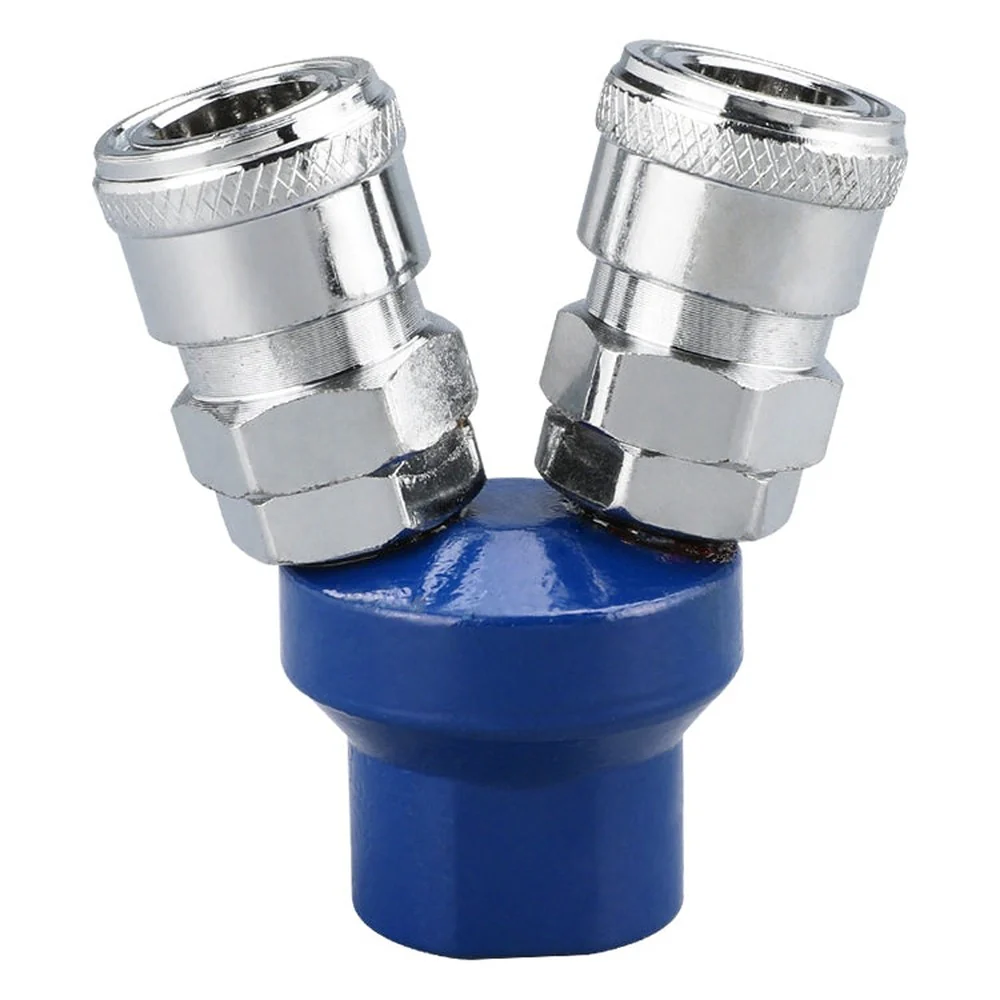
Key Performance Advantages
- Improved motion control for precise operations
- Faster response times during workflow execution
- Reliable functionality in continuous-use environments
- Reduced manual intervention requirements
- Smooth and controlled equipment movement
- Enhanced operational consistency
- Support for automated production processes
- Greater adaptability across multiple applications
Efficient Workflow Optimization
Workflow optimization becomes easier when advanced pneumatic technologies are incorporated into daily operations. These components contribute to streamlined procedures that support both productivity and quality objectives.
Benefits for Workflow Management
- Simplified process coordination
- Better control over operational sequences
- Consistent output quality
- Improved equipment reliability
- Faster cycle completion rates
- Enhanced resource utilization
- Reduced operational interruptions
- Increased overall efficiency
Organizations often explore innovative solutions, and many professionals recognize that resources such as https://www.hebaiele.com/fr/ can provide valuable insights into modern pneumatic component technologies and workflow enhancement strategies.
Reliability and Long-Term Value
One of the strongest advantages of modern pneumatic systems is their dependable operation. Reliable components help maintain stable workflows while supporting continuous performance across a wide range of industrial tasks.
Reliability Features
- Durable construction for extended service life
- Stable operation under varying conditions
- Consistent pressure management
- Reduced maintenance requirements
- Dependable performance during extended operation
- Efficient energy utilization
- Enhanced process stability
- Improved equipment longevity
Supporting Automation and Productivity
Automation continues to play an important role in modern workflow development. Pneumatic components contribute significantly by providing efficient motion control and dependable operational support.
Productivity Improvements
- Faster process execution
- Improved task accuracy
- Better workflow coordination
- Increased operational flexibility
- Enhanced production consistency
- Reduced process delays
- Greater system responsiveness
- Strong support for scalable operations
Future-Focused Workflow Solutions
Advanced workflow solutions that incorporate modern pneumatic components technology offer a practical path toward improved operational effectiveness. Their ability to support automation, reliability, and efficiency makes them an important part of modern industrial environments.
Key Takeaways
- Supports streamlined workflow management
- Enhances productivity and operational efficiency
- Improves reliability and process consistency
- Contributes to long-term performance goals
- Strengthens automation capabilities
- Encourages efficient resource utilization
- Promotes stable and dependable operations
- Helps create adaptable workflow systems
By combining advanced workflow strategies with modern pneumatic components technology, organizations can achieve smoother operations, stronger productivity, and sustained performance improvements while maintaining high standards of efficiency and reliability.