Simple and Effective Solutions for Arterial Bleeding Control
Arterial bleeding is one of the most serious medical emergencies because blood can flow rapidly from the body. Quick action and calm decision-making can make a major difference during these situations. Learning simple and effective bleeding control methods helps improve safety and supports faster emergency response when every second matters.
Recognize the Signs of Arterial Bleeding
Identifying arterial bleeding early allows immediate care to begin. Common signs include:
- Bright red blood flowing quickly
- Blood spurting in pulses
- Rapid blood loss from deep wounds
- Weakness or dizziness in the injured person
- Pale or cool skin
- Increasing confusion or fatigue
Understanding these warning signs helps people respond faster and more effectively.
Stay Calm and Act Quickly
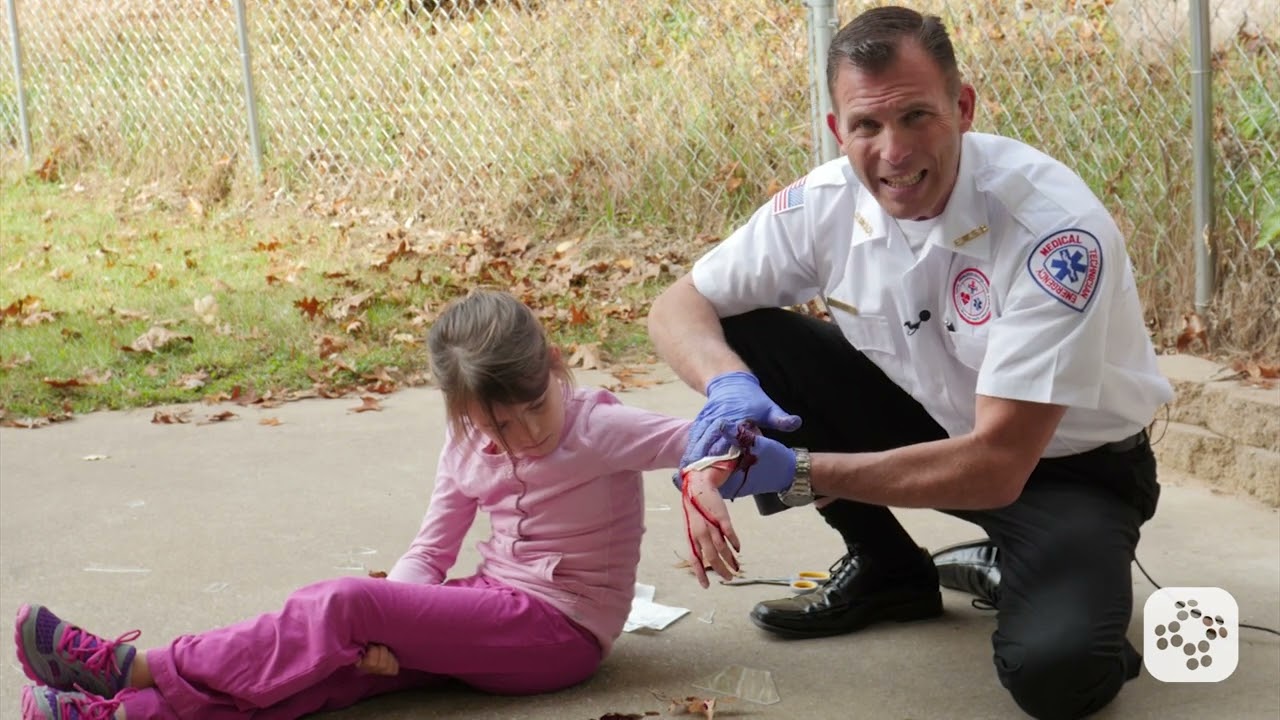
Remaining calm is one of the most valuable steps during an emergency. Panic may delay important actions, arterial bleed while a focused response improves control over the situation.
Helpful actions include:
- Checking the surroundings for safety
- Calling emergency medical services immediately
- Speaking clearly to reassure the injured person
- Using clean materials whenever possible
- Monitoring the person until professional help arrives
A calm approach encourages better decision-making and improves overall care.
Apply Direct Pressure Immediately
Direct pressure is one of the simplest and most effective ways to reduce severe bleeding.
Key Steps for Proper Pressure Application
- Place a clean cloth, dressing, or fabric over the wound
- Press firmly using both hands if necessary
- Maintain steady pressure without lifting frequently
- Continue pressure until help arrives or bleeding slows
- Replace soaked materials by layering more on top instead of removing them
Consistent pressure helps support clot formation and reduces blood loss.
Elevate the Injured Area When Possible
If the injury allows safe movement, gently raising the wounded limb above heart level may help reduce bleeding flow.
Important reminders include:
- Move the limb carefully
- Avoid unnecessary twisting or bending
- Stop elevation if pain increases
- Keep the person as comfortable as possible
This method works best when combined with direct pressure.
Use Protective Barriers for Safety
Maintaining hygiene during first aid protects both the helper and the injured person.
Useful protective items may include:
- Disposable gloves
- Clean cloth coverings
- Protective face coverings
- Sealed first aid supplies
If protective equipment is unavailable, using clean fabric can still provide temporary support during the emergency.
Monitor the Person for Shock
Severe blood loss may lead to shock, which requires urgent attention. Watching for changes in condition is extremely important.
Signs may include:
- Rapid breathing
- Weak pulse
- Sweating
- Shivering
- Extreme thirst
- Restlessness
To provide support:
- Keep the person lying down if possible
- Cover them with a light blanket
- Avoid giving food or drinks
- Continue reassurance until medical help arrives
Careful observation can help maintain stability during critical moments.
Keep Emergency Supplies Ready
Preparation improves confidence and response speed during emergencies.
Useful items for a bleeding control kit include:
- Sterile dressings
- Gauze rolls
- Adhesive tape
- Protective gloves
- Safety scissors
- Emergency contact information
Keeping supplies organized and accessible allows faster action during urgent situations.
Build Confidence through First Aid Knowledge
Learning bleeding control techniques strengthens emergency readiness and encourages safer communities. Even basic knowledge can provide meaningful support before professional care arrives.
Simple actions such as applying pressure, staying calm, and monitoring the injured person can greatly improve outcomes. With preparation and awareness, people can respond more effectively and help protect lives during arterial bleeding emergencies.